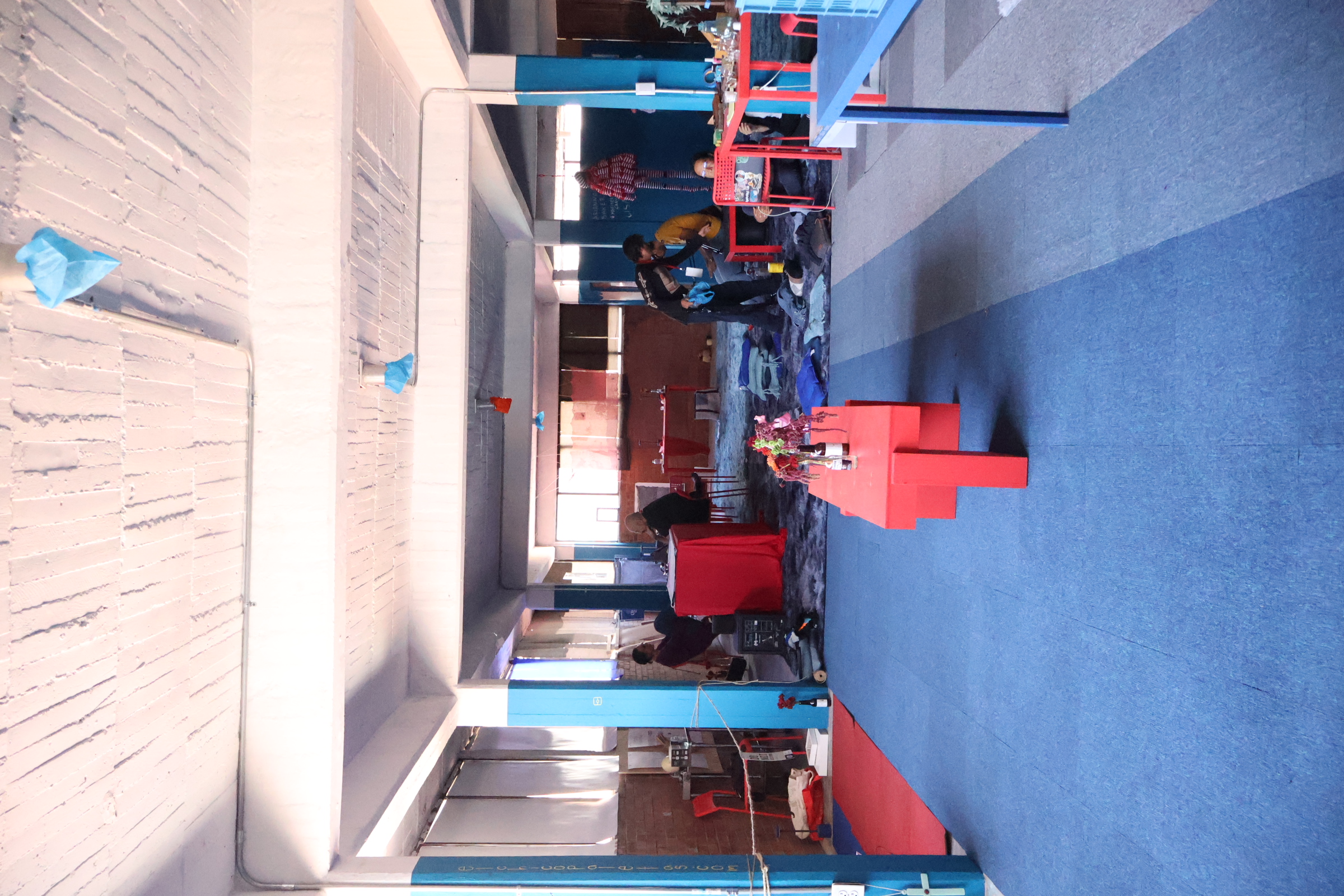
Inhabiting culture: the commitment of Misrepresented and Trayectos, an initiative from Proyectos Públicos
From February 4 to 8, Local, an initiative of Proyectos Públicos, presented Trayectos: a project that brings together art, thought, architecture, publishing, and everyday life, connecting four historic sites and enriching the experience with recommendations, tours, and rendezvous.
.jpg)
We spoke with Ana María Sánchez, Director of Culture at Proyectos Públicos, about Trayectos, a project that proposes exploring Mexico City through conscious movement, conversation, and shared experiences. More than a route of exhibitions, Trayectos proposes inhabiting the city in motion, stopping, talking, eating, listening, and observing calmly.
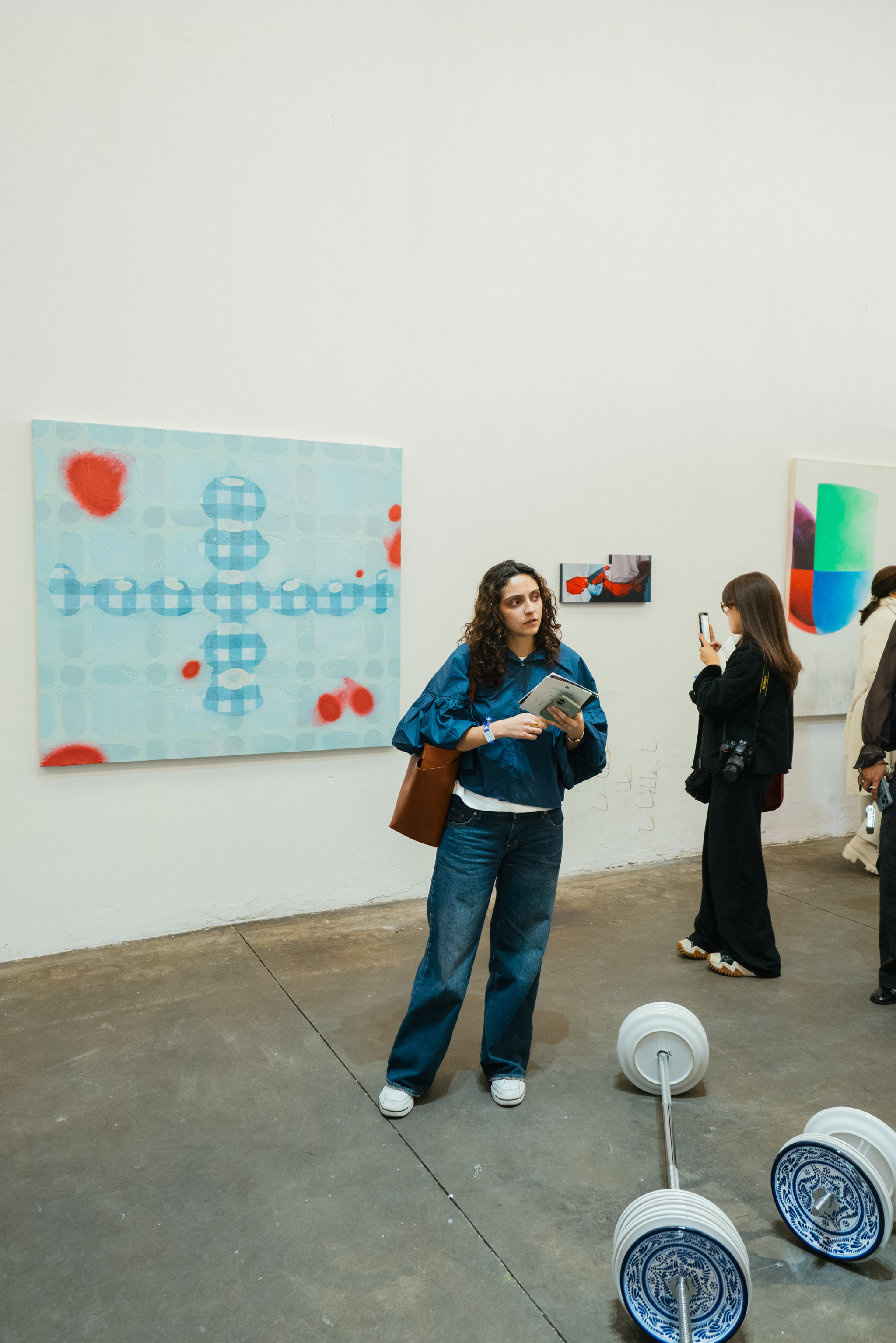
At the heart of this year's project is Misrepresented, the conceptual and physical starting point for Trayectos. Misrepresented, a non-profit initiative dedicated to contemporary art, focuses on the production, support, and circulation of artists whose work exists outside the logic of the art market. The initiative seeks to promote artists with solid careers who do not address the dominant and conventional narratives of art, often developing on the margins of trends but maintaining a consistent and mature language. This year, for example, they worked with artists who have already passed away, presented by their children or relatives, many of whom are currently active in the art world. Among them are Óscar Rodríguez, father of Omar Rodríguez Graham; Francisco Fernández Orozco, father of Claudia Fernández and Taca Fernández; José Arellano Fischer, grandfather of Sandra Valenzuela, also a visual artist, and Rodrigo Valenzuela, a jazz musician.
What, then, does it mean to operate outside the hegemony of the market? Ana María Sánchez explains to us through anecdote: "Misrepresented stems from a desire to promote the work of artists who, for one reason or another, have not been part of the contemporary art establishment. In last year's first edition, we worked with eight artists, one of whom was Avelino Hernández, whom we met during a trip to Oaxaca. Avelino had a very interesting body of work, which he had been working on for many years, but due to various circumstances surrounding his place of origin, economic situation, and so on, he did not have access to the art market apparatus. The art market ultimately also suffers from centralization, developing mostly in large cities. Based on this concern, we partnered with David Miranda, chief curator of the El Eco Museum—which is also part of the Proyectos Públicos community—and decided to start working on this platform.”
The centralization of the art market is not only geographical: it is also a question of access, of networks, of knowing how to navigate a system that is rarely straightforward, even to insiders. Misrepresented was created precisely to accompany artists in the process of professionalizing their practice. Ana María continues: "Rather than thinking of [Misrepresented] as an exhibition, we think of it as a platform where we work hand in hand with artists like Avelino, who have an interesting body of work, who have been developing their profession as contemporary artists for many years, but have not had the opportunity to enter this apparatus. In other words, they are not with galleries or advisors, collectors and museums do not know their work... [...] But we don't just stop there. The idea is also to work with them hand in hand, advising them on the management of their work, for example, explaining how to put together a portfolio, introducing them to collectors, introducing them to curators, etc. We want their work to be known, but we also want them to learn or get closer to what it means to participate in the art market professionally.”
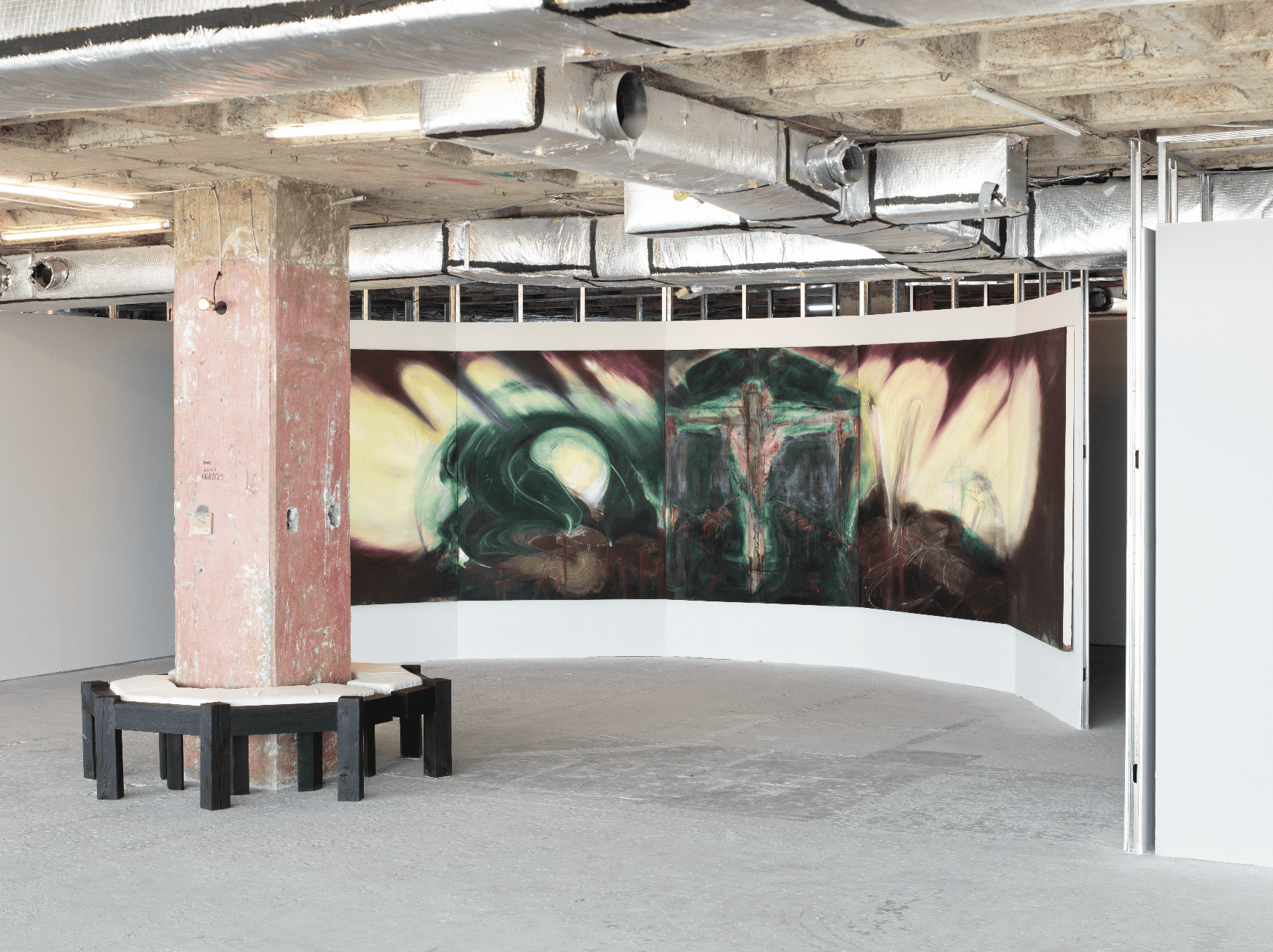
A central theme in this year's edition of Trayectos was to accompany the main exhibition in its new venue, Casa del Palomar at 47 General Prim Street, with a series of cultural events held in domestic and alternative spaces in the historic areas of the city center. For Proyectos Públicos, although strategic dates such as the Art Week are necessary for greater visibility for the arts sector, culture is experienced all year round. And that is precisely what it is: it is experienced. Life and culture ultimately exist beyond the white cube of the exhibition fair. “We are presenting Misrepresented in a new space we have in the Juárez neighborhood, which we call Casa del Palomar. It is a house built in 1932 and it is an architectural gem. One of the missions of Proyectos Públicos in general is to rescue these spaces—spaces with historical value, architectural value, perhaps even heritage value—and open them to the public through a completely free, non-profit program. The house was designed by architect Carlos Obregón Santacilia and is one of the few domestic spaces that remain standing and intact. David, who is the curator, in addition to selecting the artists, was in charge of creating a totally domestic space, understanding art from the perspective of everyday life. The visitor's experience is not limited to a white cube, but rather to experiencing the house, the work, and understanding the artists from a more direct perspective. We also worked hand in hand with architect and landscape designer Alejandro Olávarri on a very nice project called Botéo. David and Alejandro talked a lot about the selection of pieces, the house, the plants, and even the pots, which dialogued with the space. Our goal was to create a more intimate experience, one that people would enter and want to live.”
The works exhibited at General Prim 47 were also for sale, with almost all proceeds going to the artists and/or their families. A percentage of the sale goes to a savings fund, which Proyectos Públicos uses to sustain the platform and generate funds for future projects. Ahead of its opening in June, Ana María tells us about Atlantis—a project entirely dedicated to community and culture—which aims to reclaim public space. In the restored plaza (which, incidentally, features a sculpture by Mathias Goeritz), they will open a public library focusing on art, architecture, and design. The library will be entirely public, making specialized publishers and books more accessible. For her, it is extremely important to have cultural programs and more public libraries: "Sometimes it is difficult to get permission to go to university libraries, or bookstores are too specialized, and books are often very expensive. [Atlantis], being in a public square, anyone can enter. We will have book presentations, open conversations, we will be inviting curators from bookstores, etc." From her point of view, culture is not only experienced during a specific week, but also through gastronomy, music, poetry, and literature. For example, the General Prim location focuses on celebrations, Atlantis is more community-oriented, Casa Margarita in Colonia Roma revolves around gastronomy, and the house on Rebollar Street in San Miguel Chapultepec focuses on photography. The idea, she tells us, is to “have events going on all the time”.

.jpg)