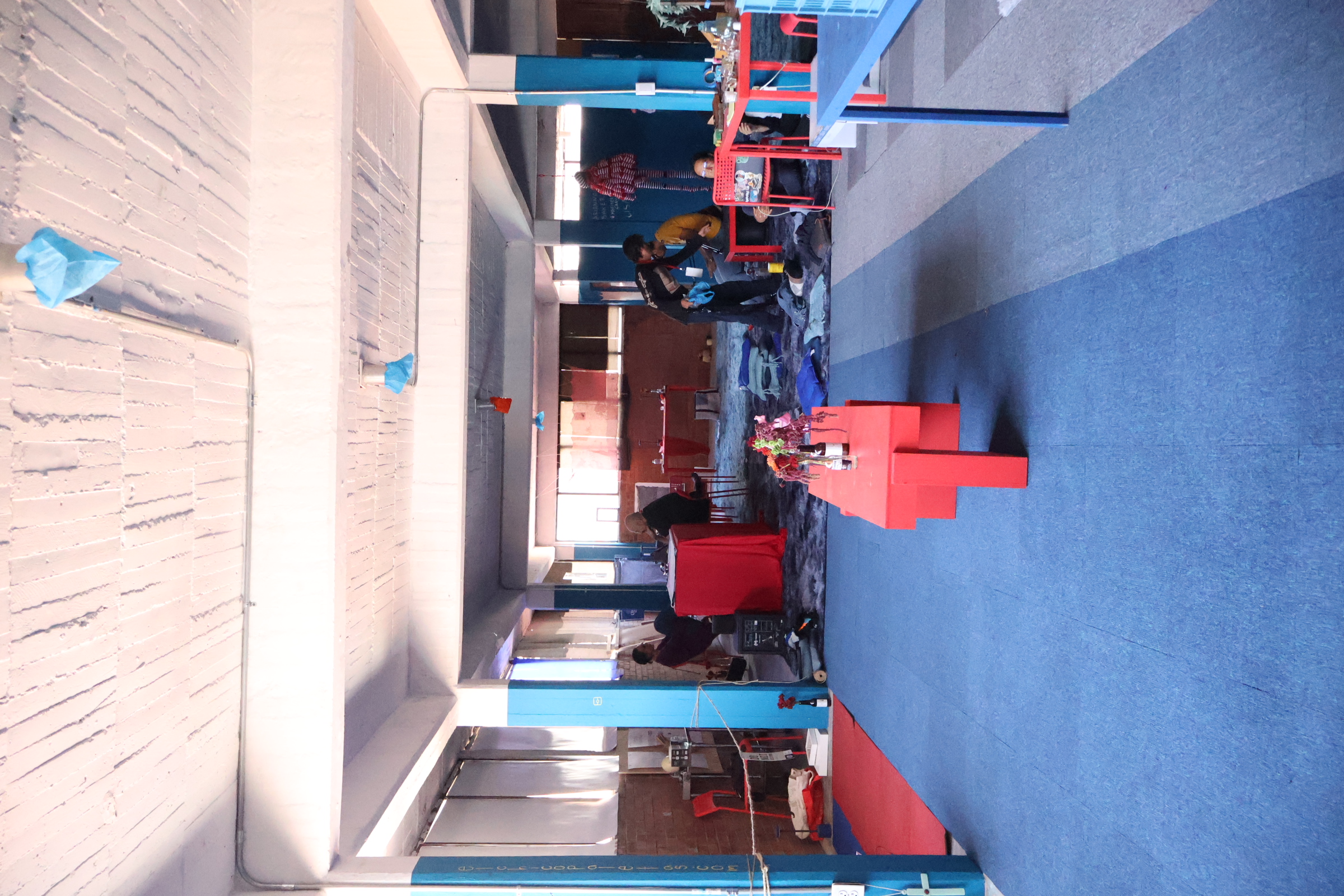
LEAH Gallery presents Embodied Garments: a runway show in process
Last May 5th, the experimental space LEAH was transformed into a place for fashion with one of the new performative proposals in Mexico City with Embodied Garments: a runway show in process; changing the traditional runway format and converting it into a living, dynamic process.
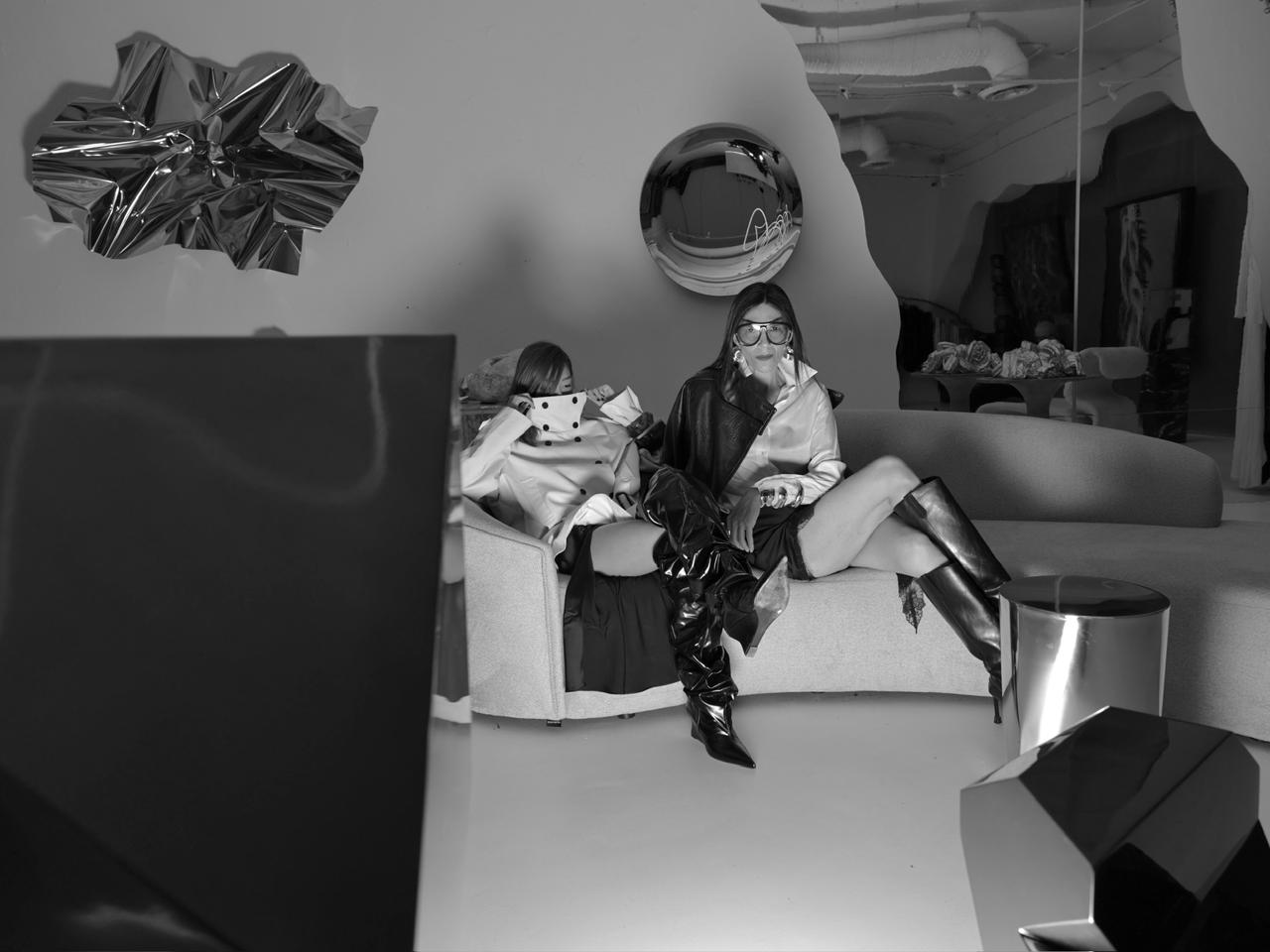
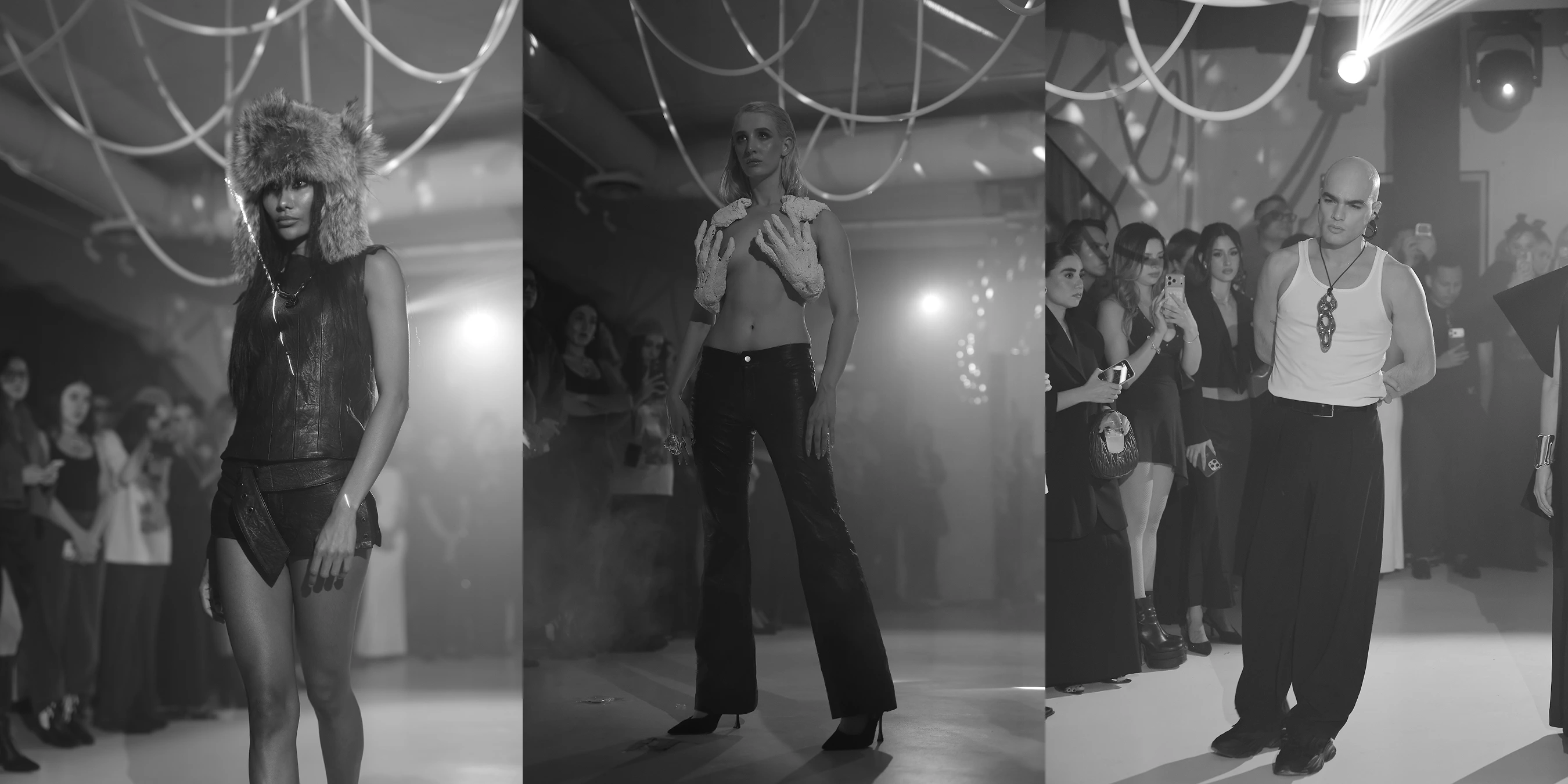
At the heart of Paseo de la Reforma in Mexico City, a few blocks from the Ángel de la Independencia, LEAH gallery presented on May 5th Embodied Garments: a runway show in process, an interdisciplinary event in which the backstage of the fashion show becomes the central element of the runway in the frontstage, where wardrobe changes, fashion styling and last-minute adjustments happened live, inviting the audience to become part of the creative process. The creative direction of Goma Xantana, the research of Cristina Díaz, styling of Darío Modotti, Jorge Tirado and Pablo Bermúdez, and the makeup and hair of Maggie Ramos and Eliot Morales, shaped the event, structured in eight acts accompanied by the sound art pieces by Sofía Tormenta. The runway brought together pieces from Mexican brands that explore new narratives within contemporary fashion, among them: Serena Creciente, Menos 117, NISA, Rosymar González Jewelry, DOZE, Fiss, Maison Mohe, Maria Vera, Nabyl Zarina, Natalia Blanco and Nómada Studio.
The proposal of Embodied Garments is interesting because it gives reinterprets the value of the image through a performance that makes visible the creative process that constructs it, in a broader context where the concept of “the image" has lost its symbolic value; stripped of any relationship with reality and converted into a "commodity" that lacks value unless it can be monetized. The pieces present in the show, by being created live and in total improvisation, break with the authority of the perfect image —digestible though distant—, responding according to Cristian Baena to the public's need for more natural and intimate encounters "in the face of the superficiality and exclusivity that tend to structure these spaces." Part of why certain spaces, and this is true for fashion as much as for art and technology, feel exclusive is because there is an opacity that covers the creative process, but also the process where the value of proposals, artists and spaces is deliberated. Who decides what is culturally, socially and economically valuable? By bringing creative decisions into the open, where successes and failures —crucial in the construction of original ideas— are visible to the audience, LEAH brings us closer to a more transparent vision of the creative industry.

.jpg)