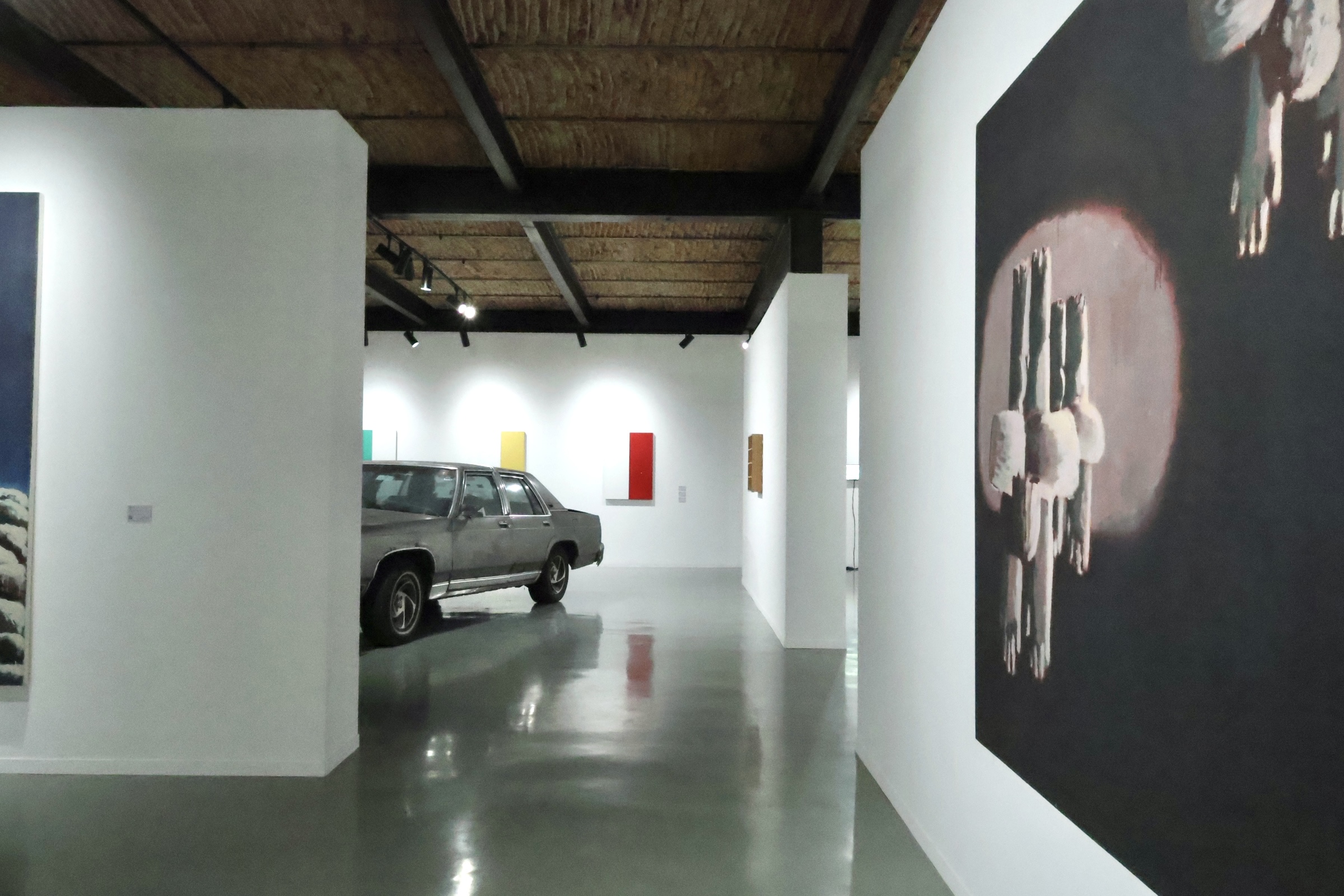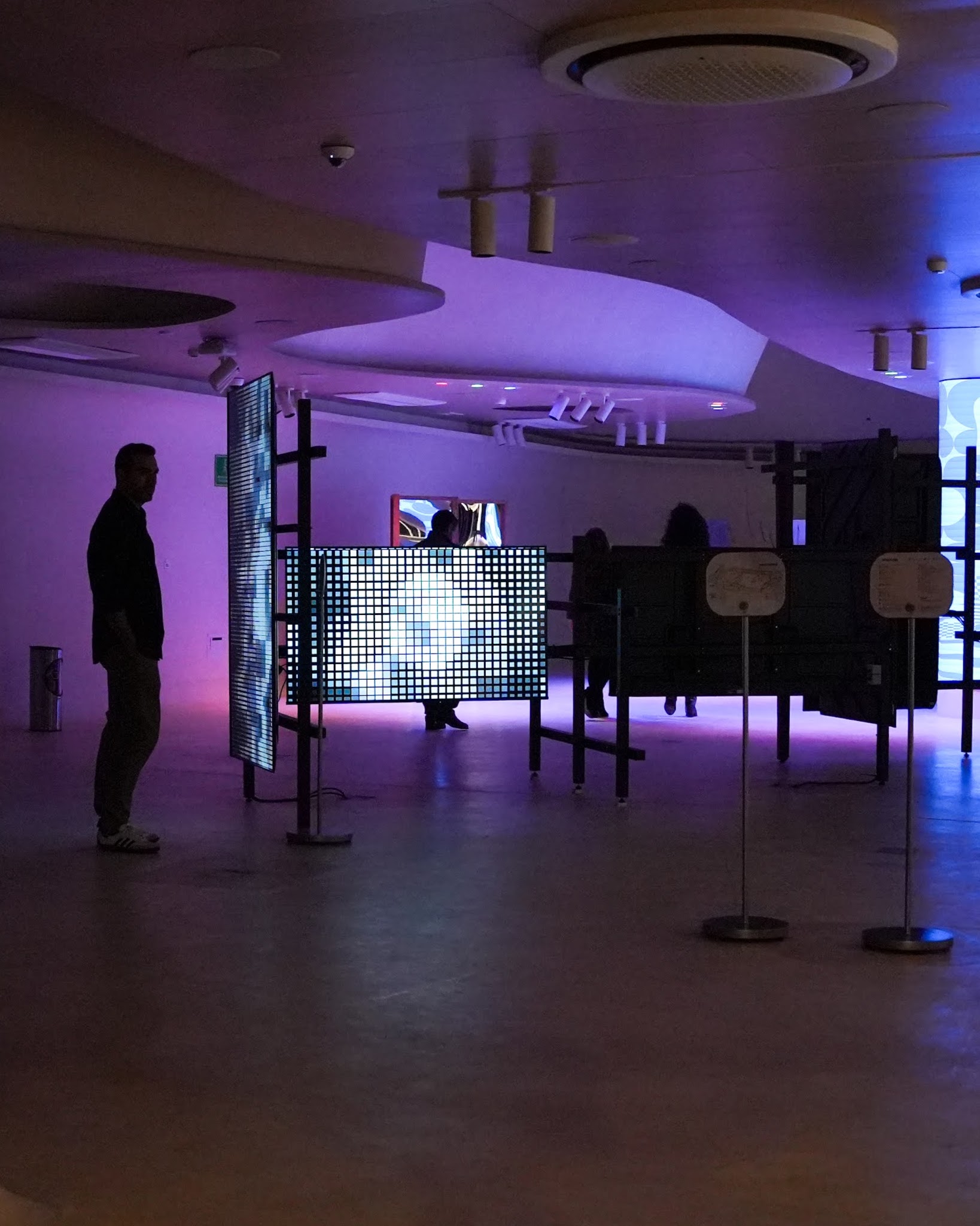
Work In Progress, the anti-art fair in Mexico City Art Week 2026

During Work In Progress, the interactive art festival in Mexico City, five artists encourage us to reflect on accumulation, ritual culture, and public spaces.
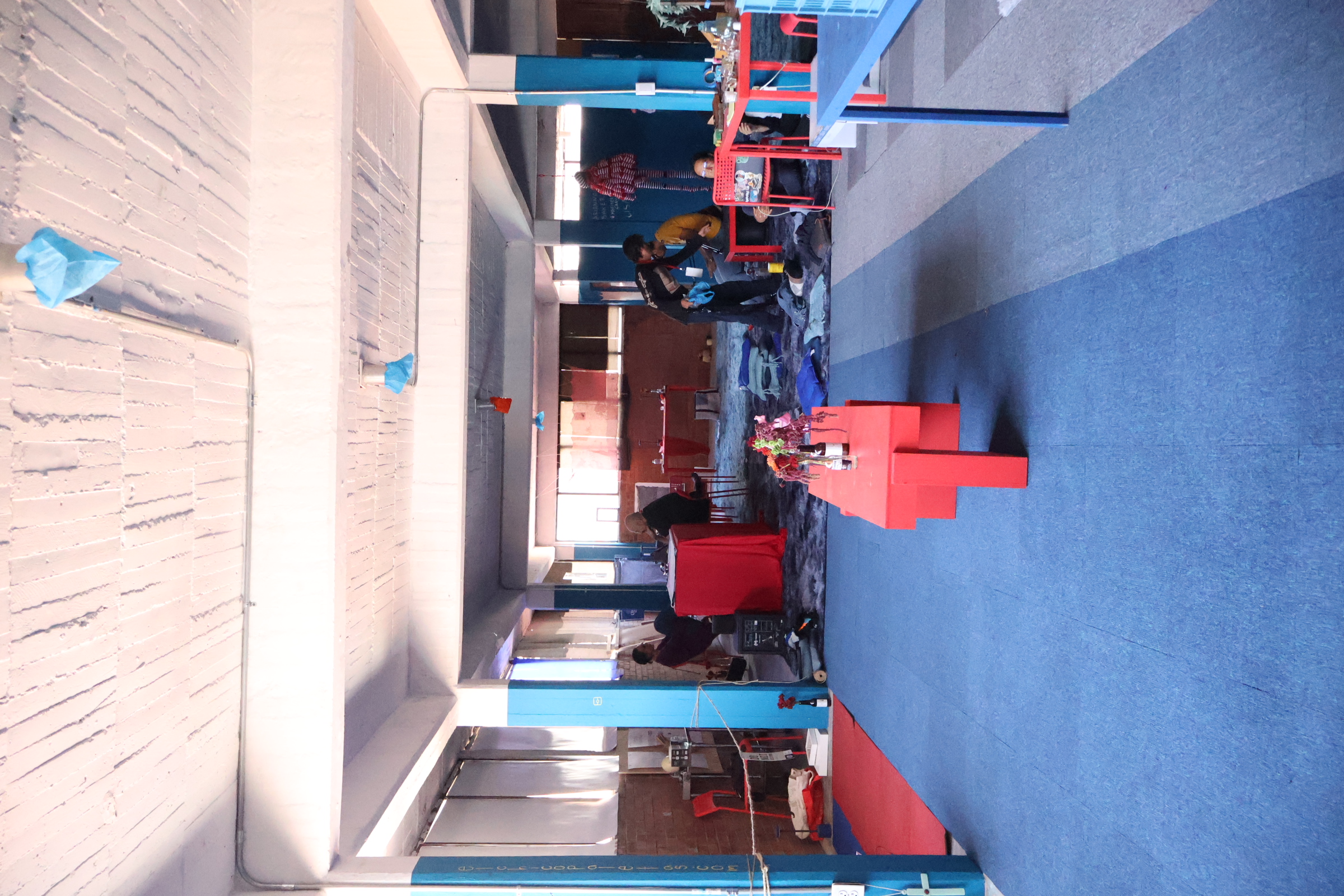
Work in Progress, the anti-fair and interactive art festival, was a key moment for the emerging art scene during Mexico City Art Week. Resisting staged setups and the Instagram moment, the festival reimagines the exhibition format as a living creative space, in which the process and dialogue with artists become the central focus of the exhibition.

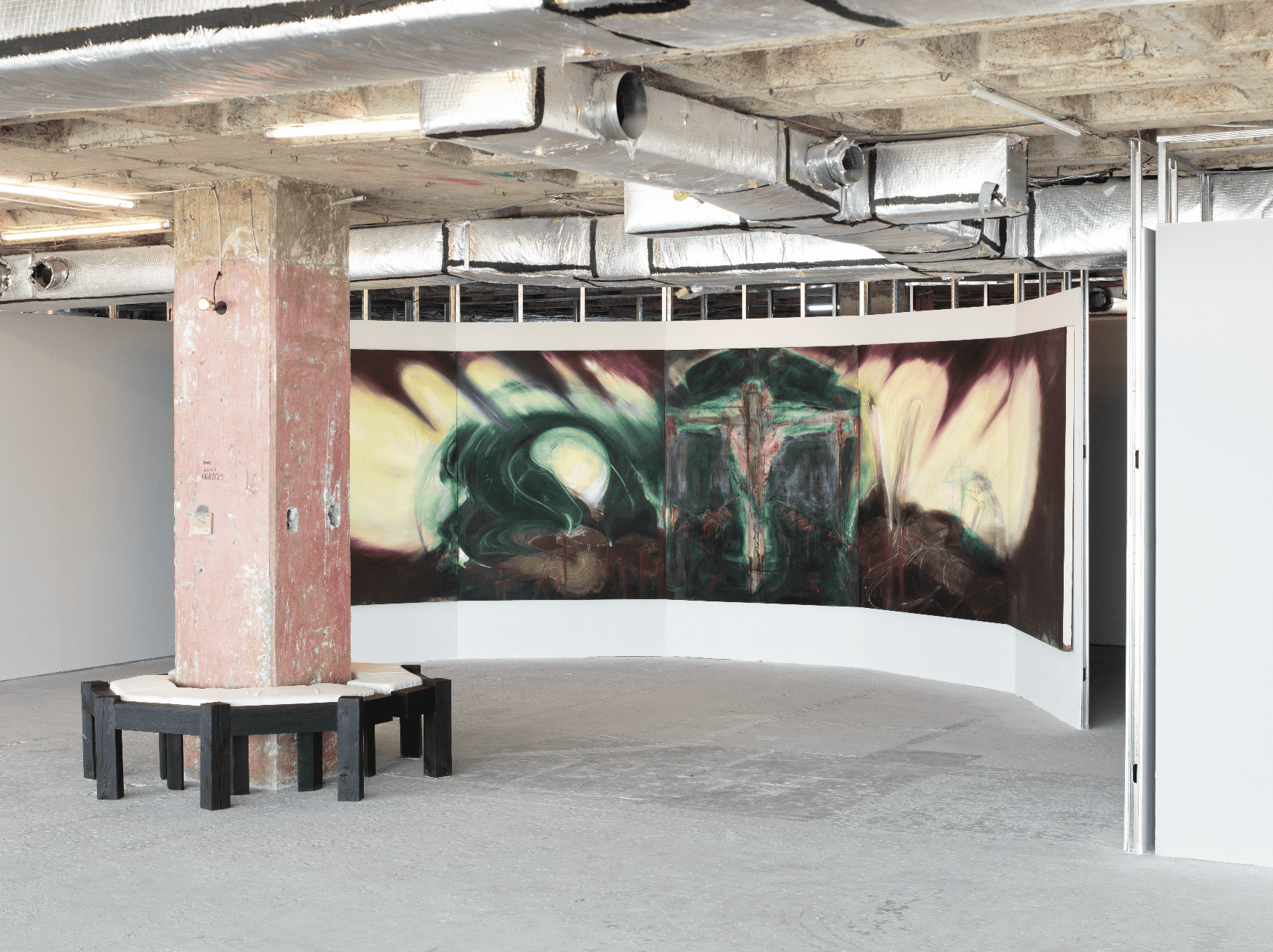
Work In Progress is an initiative of Novo Collective, which, through the public art initiative Uncommissioned, has supported more than 45 interventions by artists on five continents. This is the first edition of the festival in Mexico City, with the participation of 20 local and international artists. With its main venue at Nicaragua 32-bis, in the Cuauhtémoc neighborhood, and a network of artist studios distributed throughout the city, the festival invites attendees to immerse themselves in the creative process of the artists and experience art from a place of vulnerability rather than staged moments. For the organizers of WIP, art happens in public spaces, in homes, anywhere, but mainly where life happens, beyond the “white cube.” The work of the participating artists, therefore, reflects this vision and is presented in the context of Mexico City, a context where culture is in the air but also full of contrasts.

Art, understood as a necessary quality of living spaces, is presented in the context of the WIP festival as a method for transporting these ideas or conversations, whether pleasant or uncomfortable, to a changing scene that demonstrates a way of making art beyond the standards of the traditional art fair.

From February 1 to 8, it was possible to visit the festival's headquarters and various open studios of the participating artists, five of whom make us reflect on accumulation, ritual culture, and our existence in public and private spaces.

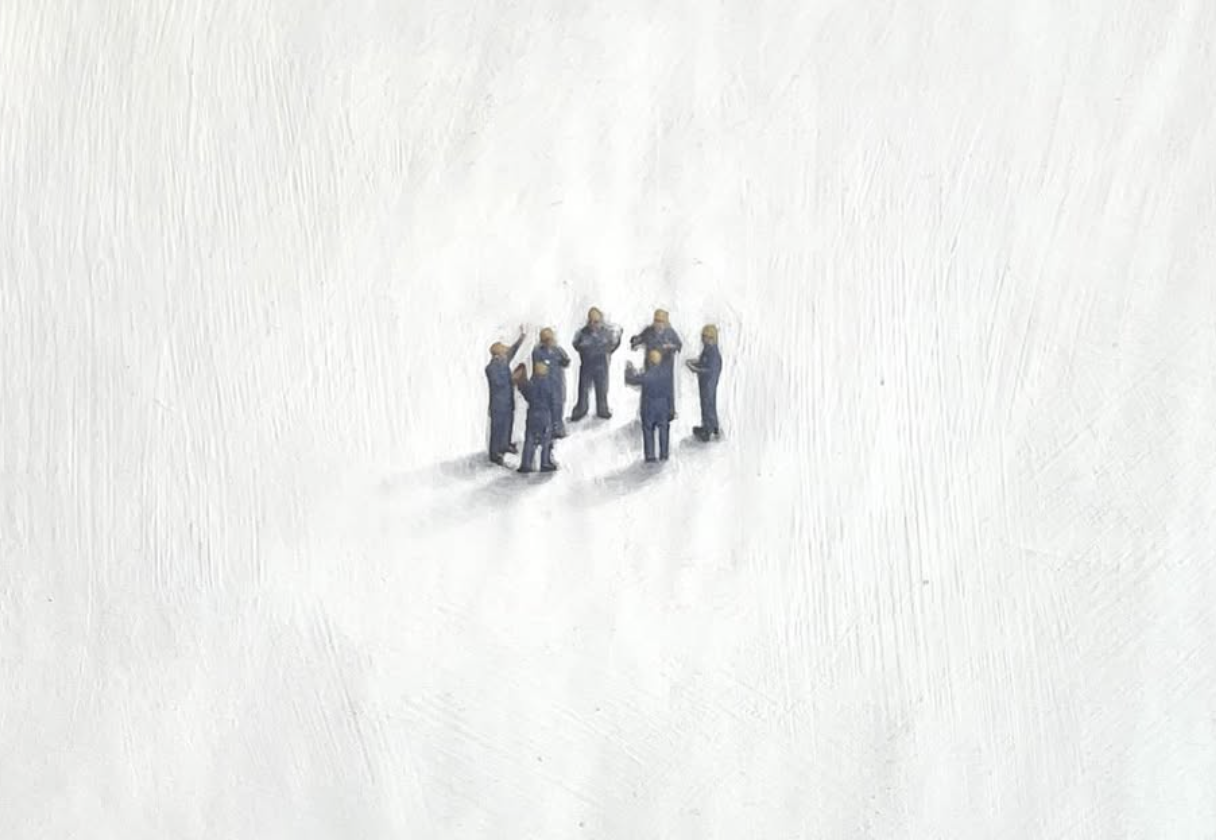
"NADA QUE CONSTRUIR", Pablo Delgado. Acrylic on newspaper.

Pablo Delgado

Pablo Delgado's practice focuses on reduction, censorship, and the limits of perception. The artist deliberately obstructs or hinders the view of the elements in his work by playing with the dimensions of graphic elements, minimalism, and the use of negative space as a response to the excesses of modern society. Delgado's work forces the viewer to look twice, revealing how what appears at first glance actually requires reading between the lines. Using mixed media, the artist presented a series of works entitled “Pequeñas Verdades” (Small Truths) during Work In Progress, in which the transparency—or rather the opacity—with which institutions use our cyber data is revealed through a magnifying glass. Small characters in an office, a market, or a traffic accident tell half-truths, censored summaries that float in what appears to be a void.

Charles Osawa

Charles Osawa

Charles Osawa is an American artist whose medium focuses on the use of resins, reused materials, and packaging waste to create sculptures. Drawing on his training in interior design and architecture, the artist reflects in his work on the state of accumulation in modern society and creates sculptural objects that refer to our era. The use of recycled materials invites reflection on the state of perpetual accumulation and the final destination of rampant production and consumption. Osawa uses trash in an original way that, when interacting with light and the shapes generated by the resin, creates a luminous and colorful effect, making the materials look like precious stones, manipulating the perception of the object and reinterpreting it as a desirable object.

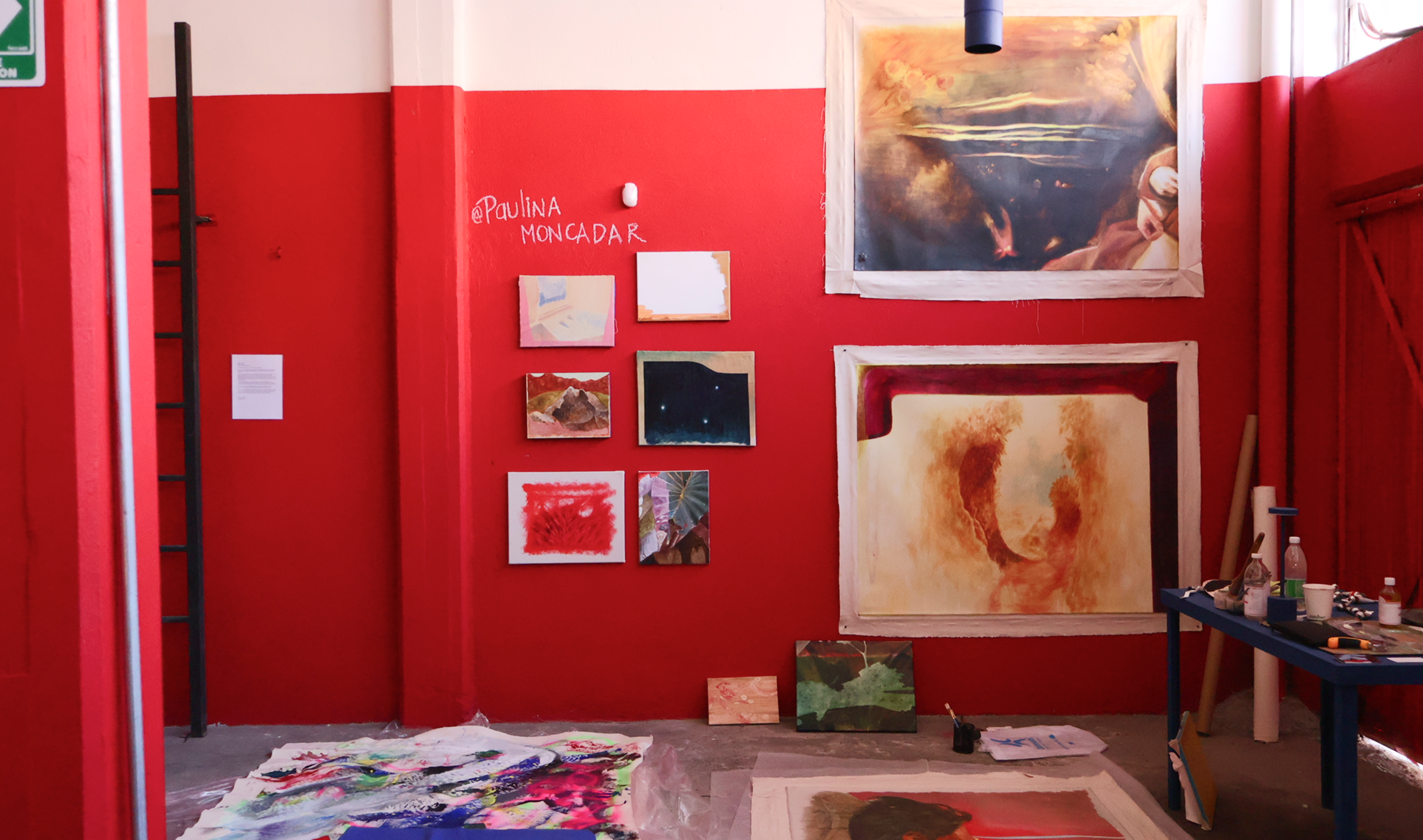
Paulina Moncada at Work in Progress, Mexico City 2026

Paulina Moncada

The Colombian artist's work invites us to meditate on inaccuracy, time, and the cyclical nature of how we experience time. During Work In Progress, the artist invited festival attendees to be part of this meditative process while she painted and exhibited some of her recent work. Paulina Moncada pictorially investigates the illusion of accuracy, which, through perceived “error,” reinterprets inaccuracy as a way of experiencing time and order, primarily human and repetitive.

Tahanny Lee Betancourt

Tahanny Lee Betancourt

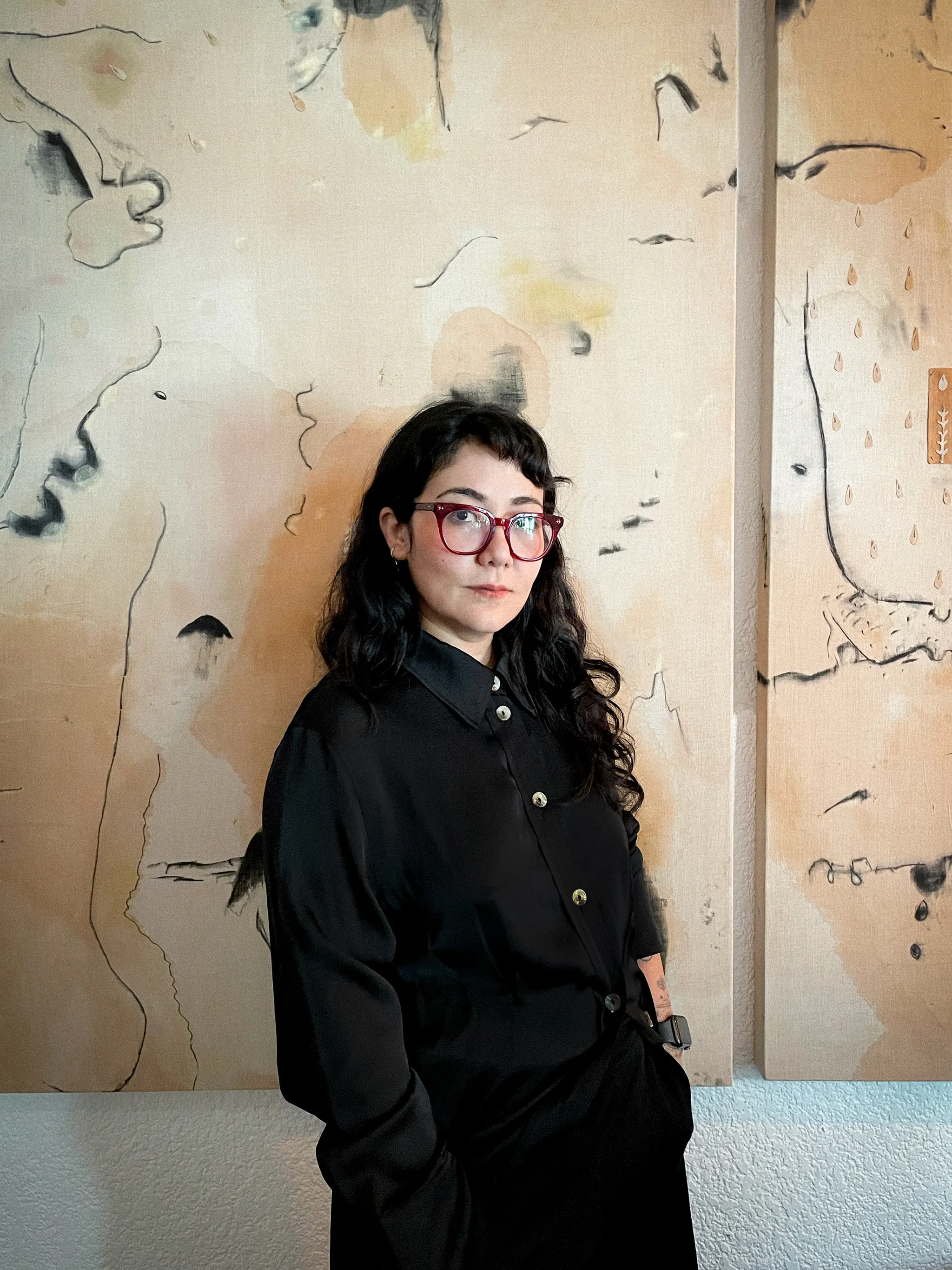
Tahanny Lee Betancourt is a Mexican artist, originally from Torreón and currently based in Mexico City. Her work captures transformation through painting, performance, and sculpture, focusing on gestures of care, the domestic environment, and the residues resulting from everyday rituals, investigating the links they form in the body, objects, and memory. These residues, which are commonly invisible in Mexican culture, are transformed from rough, almost cave-like geometries into soft, warm shapes that seem to come and go as you visually traverse them. The artist opened her studio to the public during the Work In Progress festival, where it was possible to see the artist's creative process up close.

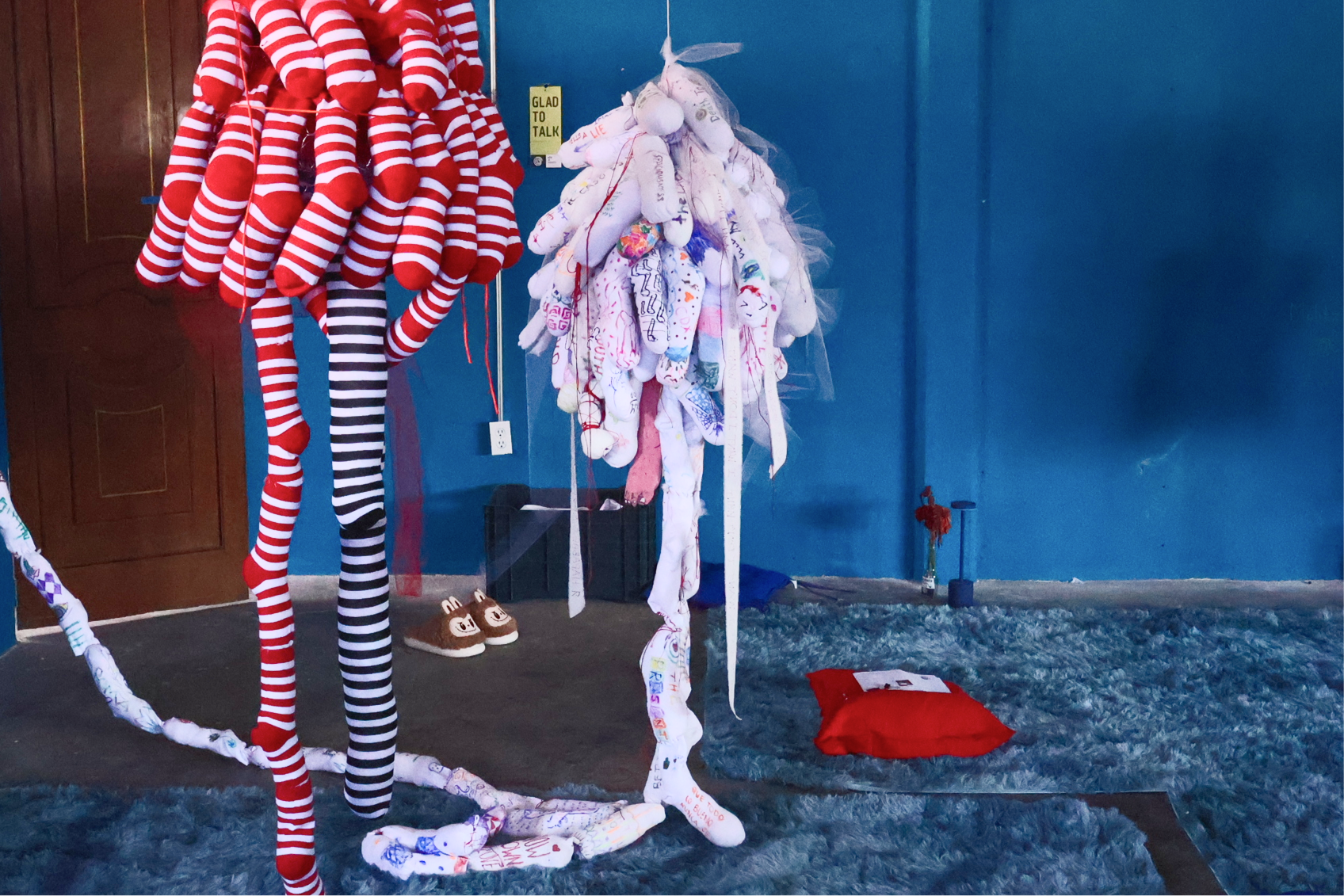
Marianna Baker at Work in Progress, Mexico City 2026

Marianna Baker

Combining humor, traditional techniques, and feminist perspectives, Marianna Baker's work juxtaposes discourses around belonging, social justice, and resilience in textile-based pieces. In the main work presented by the artist at the Work In Progress headquarters on Nicaragua Street, an amalgam of socks hangs from the ceiling, collecting ideas added by festival visitors. The piece makes us reflect on the formation of the collective imagination, which is changing, amorphous, and sometimes monstrous, manifesting itself in our private lives and in public spaces, weaving the social fabric in unexpected ways. Different messages written on the socks are placed side by side, confronting sometimes opposing ideas, concepts, and feelings of those who contribute to the formation of this work.

Get your daily dose of theory on design, art and tech—directly to your inbox.

Subscribe to our newsletter to receive The Orbiter, our monthly digest of what's new in the creative and inventive landscape.