
The ‘Uncanny Image’: The Estrangement of the Creative Process
The ‘Uncanny Image’ is a series of collections of thoughts around a new kind of image, where the ‘real’ loses meaning in the face of technology that challenges our understanding of creativity.
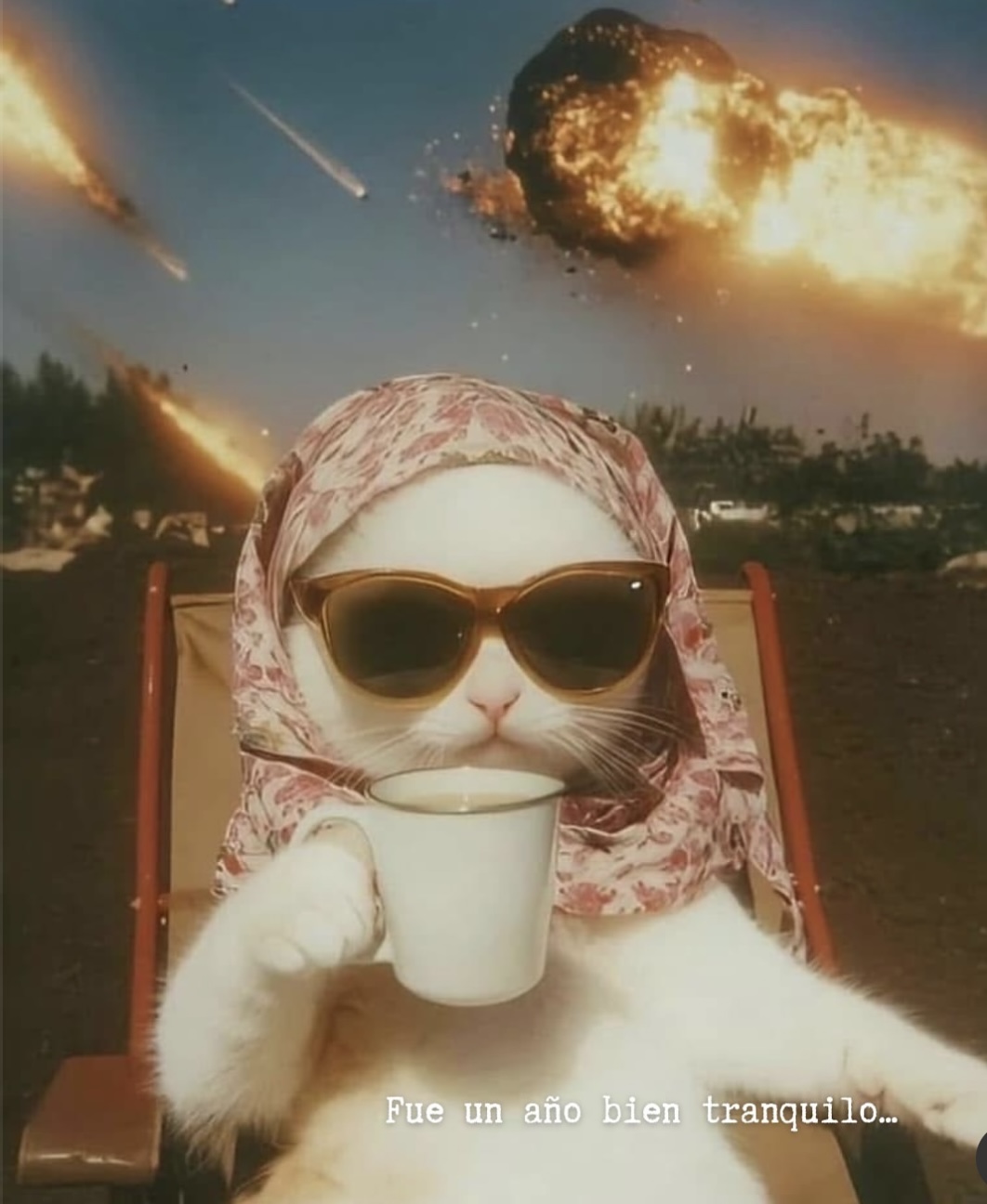
In an ever fragmented, free market economy, any given user of the internet has the potential to become a content creator, exploiting tools at their disposal to create and extract value in different forms and flavors. The generation of memes, images, videos, and reels is a key element of the ‘passive income’ generating machine that we call ‘creator economy’, now exacerbated by AI. Since late 2023, AI tools allow content creators to generate images faster than any living artist with a perceived level of quality. The matter here is, what does quality mean in this context? The use of new technologies is not necessarily detrimental to the creative process, what is detrimental, however, is the full delegation of critical thinking, which is essentially a humanly way of thinking.
In art and design schools, students learn soon enough that producing quality output is not nearly as important as the development of a method which leads you to a consistent, intentional result. This means, going through the process is equally as important as the finished idea. The process is necessary because it it creates the habit of a conscious effort to divert from the first idea. As one of my mentors at my masters degree put it: “Think of ideas as snowflakes—you will have millions of ideas, but if you fail to evolve them and devise a plan to realize them, they will melt as soon as they touch the ground. Back to nothing.” The tricky thing about any sort of creative exercise is developing the expert mind that is able to catch those snowflakes. What generative AI tools do is not granting users with immediate creative expertise, but enable skipping the process that provides a method to evolve ideas altogether. An idea, by itself, never has inherent value—it needs to be evolved through multiple iterations until it can reach a point where it can touch the ground without falling apart, which is never the first idea. When we look at AI slop, we are looking at a perfect prototype of the first idea. What happens, then, when audiences can no longer tell the difference between perfect prototypes and developed ideas?
On one hand, artists and creators are further discouraged from pursuing their creative processes. Members of the creative industry already face enough challenges to pursue their craft; added to the equation of precarious work conditions, low pay, vulnerability towards market trends. Not only do they need to swim against these variables, but they now have to compete with machines that are cheaper and faster. How can they compete? Secondly, by flooding audiences with hyper-fake images that appear completed ideas the narrative between iconography, pop culture and social media is further contaminated by the idea that ‘real’ is irrelevant. In this sense, the surreal becomes a safe harbor. The individual is further pushed into an echo chamber of herself, where her convictions are radicalized in a manner that can never really materialize or be attained.
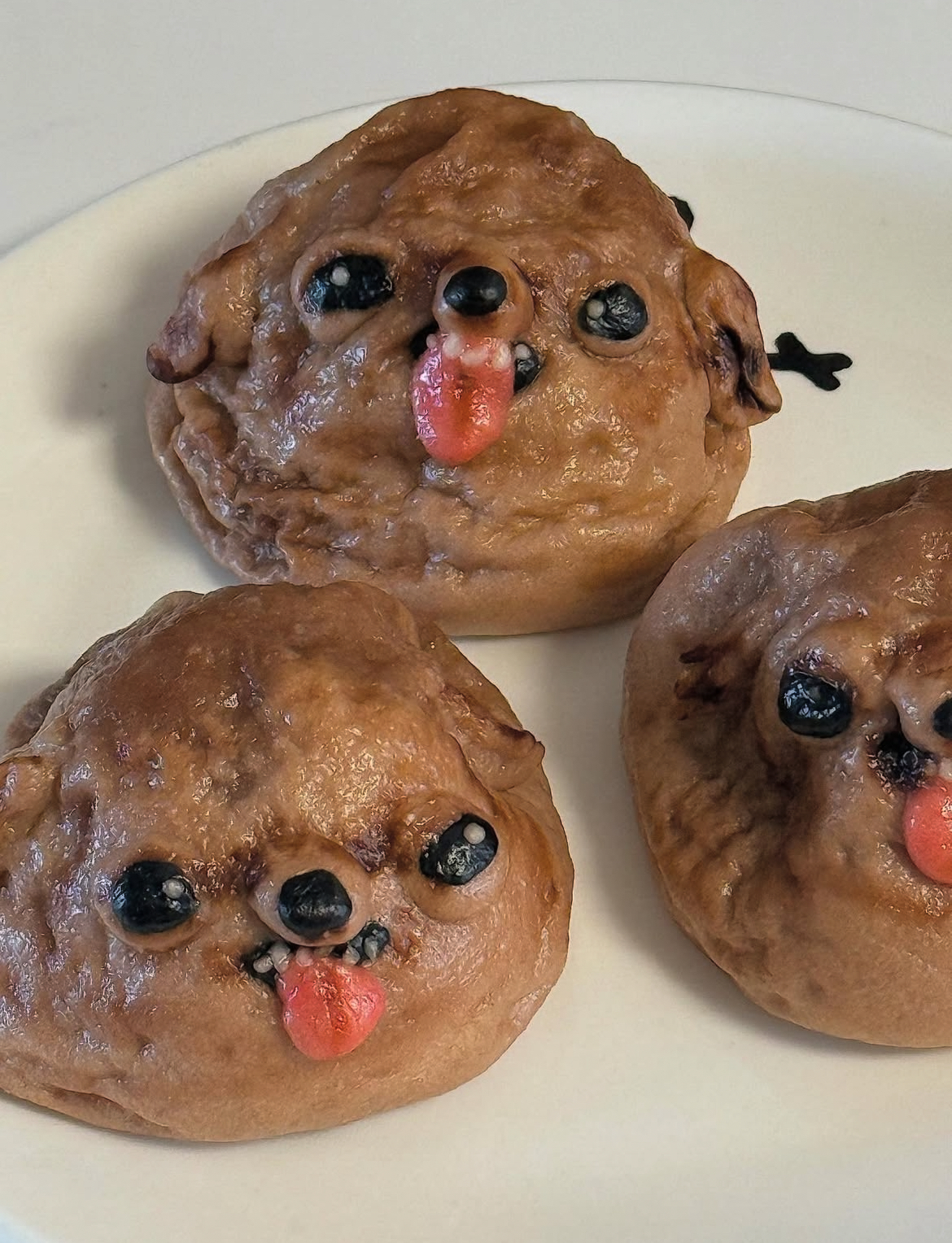

%201%20(1).png)
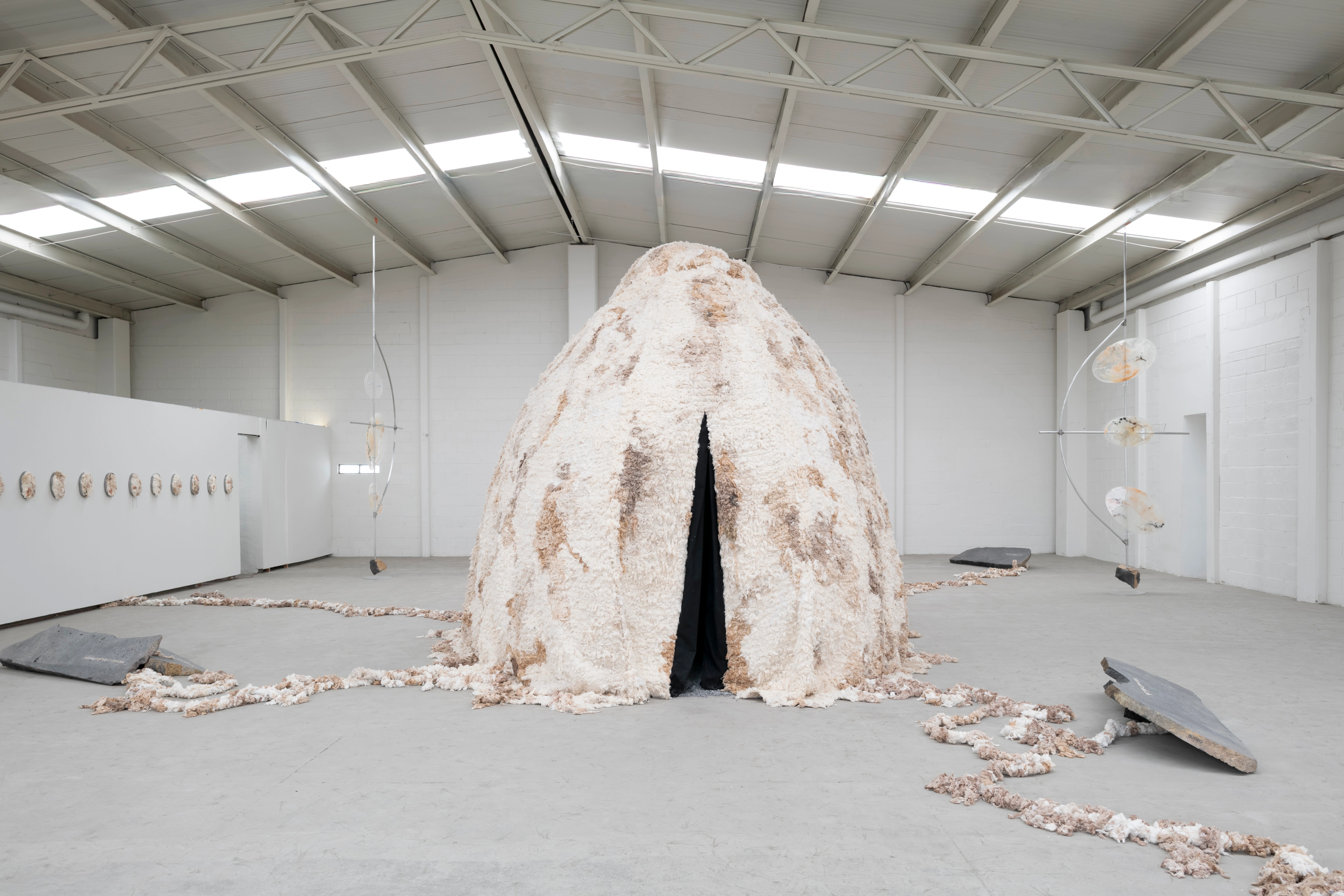
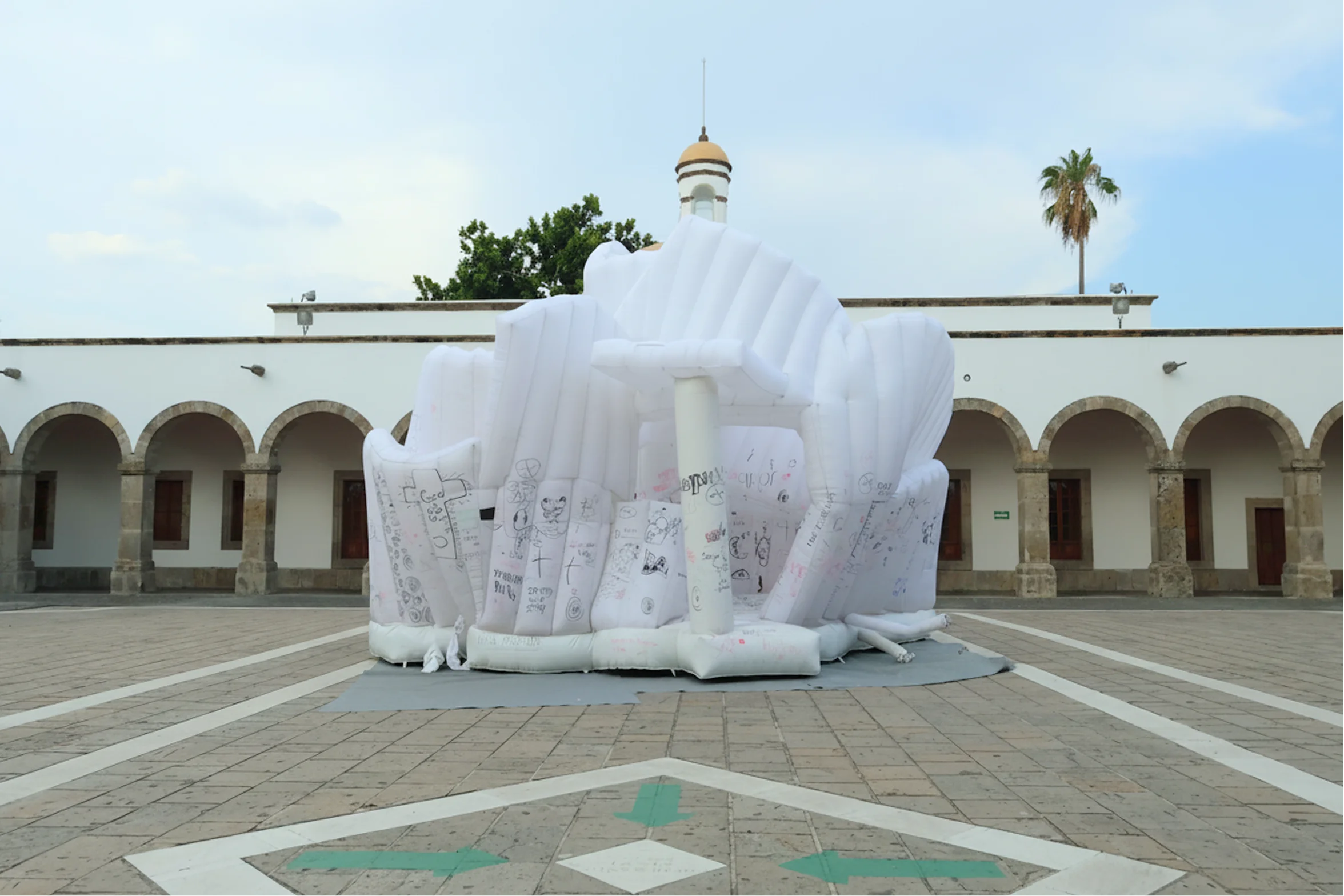
.jpg)